Rhythm & chords
Begin with chord patterns and accompaniment. Learn to coordinate both hands through regular practice.
YOUR NEXT CHAPTER SOUNDS GOOD
You don’t need to know every note to begin. Find a piano learning approach that starts with chords, rhythm, and the joy of playing.
Independent affiliate guide. We may earn a commission when you buy through our links, at no extra cost to you.
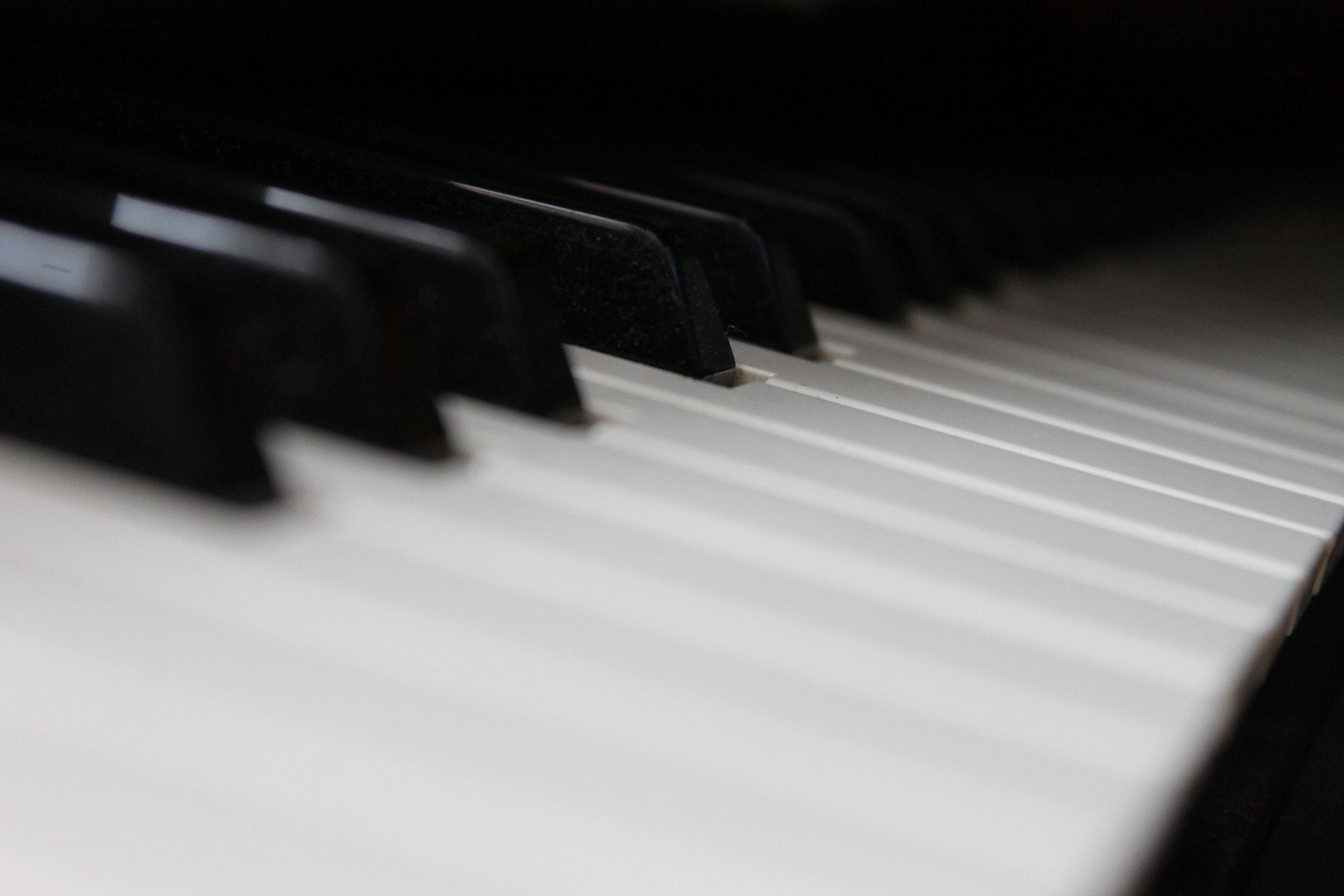
For beginner & returning players
Learn at your own pace
One-time course purchase
Digital lessons, on your devices
01 / A SMALL START
NO SIGN-UP NEEDEDStart with C major, F major, and G major. These three chords share the white keys and give you a useful first progression.
Choose a chord to see the notes. Play them together with your right hand, using your thumb, middle finger, and little finger if comfortable. Then move slowly from C to F to G to C.
This is our original beginner exercise, not a sample from the paid course. The sounds are reference tones, not a recording of a piano.
Find C immediately to the left of any pair of black keys. Go slowly; relaxed hands matter more than speed.
02 / MEET THE COURSE
PIANOFORALL, BY ROBIN HALLPianoforall begins with rhythm-style piano, then builds toward ballads, blues, jazz, improvisation, and classical playing. Written lessons, keyboard diagrams, video, and audio work together.
It’s a self-paced digital course rather than weekly live lessons. The seller offers a one-time purchase and a 60-day money-back guarantee; confirm the current price and terms before ordering.
View course & current price ↗You’ll continue to the seller’s site. Payment and delivery are handled by the seller and ClickBank.
Begin with chord patterns and accompaniment. Learn to coordinate both hands through regular practice.
Build on those patterns to explore different styles, chord inversions, and improvisation.
Develop music reading alongside playing by ear, with scales and exercises to keep improving.
03 / CHOOSE YOUR APPROACH
A GOOD FIT BEATS A BIG PROMISEThe best choice depends on your goals, schedule, and how much personal feedback you need.
| What matters to you | Pianoforall | Live private lessons | Free video tutorials |
|---|---|---|---|
| Structure | Sequenced digital lessons | Teacher sets your path | You curate your own path |
| Feedback | Seller support; self-directed practice | Personal technique feedback | Usually no individual feedback |
| Payment model | One-time course purchase | Usually per lesson or term | Often free, with advertising |
| Best suited to | Independent chord-first learners | Players wanting close guidance | Exploring before committing |
| Main trade-off | No live teacher watching your hands | Higher ongoing time and cost commitment | Lessons can feel disconnected |
You have a piano or keyboard, enjoy learning independently, and want a structured course that begins with practical chord playing.
You need live correction, formal exam preparation, or a teacher-led programme for a young child. A qualified local teacher may suit you better.
04 / MAKE IT A HABIT
AN ORIGINAL PIANO PATH PRACTICE PLANTry this 15-minute routine for your first week. Keep each movement comfortable, use a slow tempo, and repeat a small section before adding more.
Locate C, E, and G. Play one note at a time and say its name.
Move from C major to F major slowly. Release tension between changes.
Count “1, 2, 3, 4” as you play. Try C–F–G–C, holding each chord for four counts.
Repeat your smoothest change and note one small improvement for tomorrow.
05 / BEFORE YOU BUY
THE DETAILS THAT MATTERYes. You need an instrument to practise. A keyboard is a practical starting point; check the course’s equipment advice before buying one. Your course purchase does not include an instrument.
The seller describes the course as beginner-friendly. It starts with rhythm and chord patterns. You will still need regular practice, and progress differs from person to person.
The seller lists support for PC, Mac, Android, iOS, tablets, and phones, with downloadable materials. Check the current setup instructions for your device and storage needs on the seller’s site.
Pianoforall is sold as a one-time digital course purchase. We do not display a fixed price because offers can change. Follow “View course & current price” and check the order total, currency, taxes, and any optional offers before paying.
The purchase happens on the seller’s site through ClickBank, not on Piano Path. The seller advertises a 60-day money-back guarantee. Read the checkout terms and contact the seller or ClickBank for purchase support or a refund.
This guide is based on the publicly available course description and affiliate materials, not firsthand course testing. Our chord exercise and practice plan are original content. We clearly label our affiliate relationship.
Visit the seller’s FAQs, course and affiliate information, and ClickBank support. These source links are provided for verification.
YOUR KEYBOARD IS WAITING.
View the full course, current pricing, and purchase terms on the seller’s site.